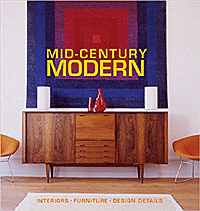
The 1950’s house was a scientific
triumph, designed in a laboratory and tested on inhabitants of all
ages before being built for the masses. Never had homes been so
thoroughly contemporary, with antiques and period styles entirely
banished. This video explores the interior decor of that decade.
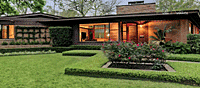
Explore the
Characteristics of Mid-Century Modern Architecture, one of the most
influential styles of the 20th century. Known for its clean lines,
flat planes, large glass walls, natural materials, and strong
indoor–outdoor connection, Mid-Century Modern design shaped the way
people think about modern living. Click on the
title to view.
And look for other videos in selected articles.
Can't find what
you're looking for? Go to
our Sitemap
Find
out what's coming in the
2026 Holiday
Edition
of
the
THE ANTIQUES ALMANAC
"Christmas in America"
COMING IN
December
Share pages
of this ezine with your friends using the buttons
provided with each article.
The morning of December 17, 1903 dawned bright with a
strong chill in the air. The wind hit 25 miles per hour
over the dunes at Kill Devil Hills, dangerous conditions
for flying a prototype aircraft. The Wright Brothers of
Dayton, Ohio, dressed in coats and ties to add a touch
of private ceremony for an event that would alter the
world. To learn more read "The
Dream of Flight."
The
Origin of Afternoon Tea
by Bob Brooke
It’s 4:00 P.M. and Anna Maria, the seventh Duchess of Bedford of
Woburn Abbey in Bedforshire, England, has just rung for her upstairs
maid, requesting that she bring a tray of tea, bread and sweet butter,
and cakes to her bedroom. She found this late afternoon tea such a
perfect refreshment that she soon started inviting her friends to join
her in her room for this new social event. And it really was more of a
social event than a meal as ladies didn’t go to afternoon tea to eat but
to meet their friends, gossip, chat about the latest fashions and
scandals, be seen in the right places among the right people. Drinking
tea and eating biscuits became almost an afterthought.
What caused Anna Maria’s hunger at this time of day? As it happened,
people gradually started eating dinner later in the 18th century as
improvements in lighting extended the day. By the early 19th century,
dinner time had progressed to between 7.00 and 8.30 P.M., so people
began eating an extra meal called luncheon to fill gap. But since this
meal was very light, the long afternoon with no refreshment left many
feeling a bit peekid.
By the early 1800s, the custom of entertaining friends at afternoon tea
had evolved into an elegant occasion with tea, hot dishes, and elaborate
sweets served by butlers and maids. The ladies no longer came in
everyday wear but dressed in long “tea gowns” and drank tea from
delicate porcelain cups.
Domestic writers of books on etiquette and domestic household manuals,
such as Hints and Household Taste by Charles Eastlake, prescribed
suggested behavior for both hostesses and guests. According to a book
called Etiquette by Agnes Morton, published in 1894, women were to “meet
informally, chatting for a while over a sociable cup of tea, each group
giving place to others, none crowding, all at ease, every one the
recipient of a gracious welcome from the hostess.” Morton recommended
that guests stay no longer than 45 minutes though afternoon tea often
lasted nearly two hours.
Drinking tea wasn’t foreign to the British when Anna Maria set her
precedent. They began drinking tea in the mid-17th century. At the time,
both the leaves and the brewed beverage were very expensive, so it
became the drink of the aristocracy. While wealthy gentlemen drank their
tea in London's coffee houses, their wives drank theirs at home with
their friends.
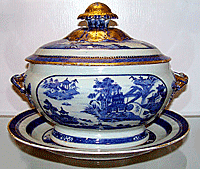
Because the tea itself was so expensive, the servants weren’t allowed to
handle it and the lady of the house kept it in blue and white Chinese
jars locked in a closet alongside the tea bowls and pots. When she
wanted to serve tea to her friends, a servant would arrange the
furniture, set all the tea brewing equipment on a small table and bring
in a kettle of boiling water. Then the lady warmed the teapot, measured
the correct amount from her tea jar into the pot and poured on the
boiling water. When the tea had brewed, she poured it into the little
translucent, handleless, Chinese tea bowls and served them to her
guests.
The ships that brought the precious tea from China and Japan also
carried porcelain tea pots, tea bowls, and the little jars for storing
the tea. Aristocratic ladies stored these on shelves in their private
closets, usually a small room near or next to their bedrooms.
Traditionally, ladies served tea with milk and sugar, accompanied by an
assortment of cucumber, egg and cress, fish paste, ham, and smoked
salmon sandwiches on bread without crust, scones with butter, clotted
cream and jam, and fruit cake or Victoria sponge cake served from a
tiered silver stand.
By the mid-19th century, afternoon tea had become fashionable in America
though the tea parties given by American hostesses may not have been as
formal as those in Britain
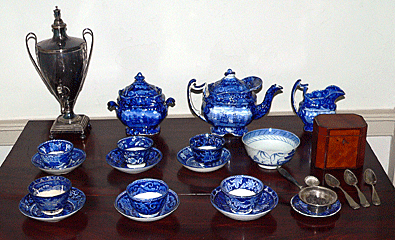
Taking tea was always associated with elegant rooms set well away from
the kitchen, with fine porcelain tea wares, silver spoons, sugar
nippers, and kettles, with beautiful tables carved by craftsmen.
Once the trend had been set, members of fashionable society started to
hold tea parties to suit almost any occasion—drawing room teas for
groups of 10 or 20, intimate teas for three or four friends, garden
teas, after-theater teas, and tea receptions for up to 200 people.
While afternoon tea used to be an everyday event, nowadays it is more
likely to be taken as a treat in a hotel, café, or tea shop, although
many Britons still have a cup of tea and slice of cake or chocolate at
teatime.
No antiques or collectibles
are sold on this site.
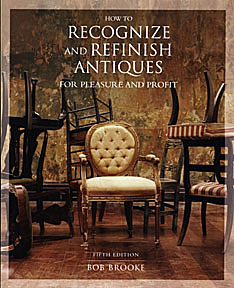
How to Recognize and
Refinish Antiques for Pleasure and Profit
Have
you ever bought an antique or collectible that was less than perfect and
needed some TLC? Bob's new book offers tips and step-by- step
instructions for simple maintenance and restoration of common antiques.
Read an
Excerpt
Auction News
Get up to the minute news of antiques auctions
around the country and the world.


























 It’s 4:00 P.M. and Anna Maria, the seventh Duchess of Bedford of
Woburn Abbey in Bedforshire, England, has just rung for her upstairs
maid, requesting that she bring a tray of tea, bread and sweet butter,
and cakes to her bedroom. She found this late afternoon tea such a
perfect refreshment that she soon started inviting her friends to join
her in her room for this new social event. And it really was more of a
social event than a meal as ladies didn’t go to afternoon tea to eat but
to meet their friends, gossip, chat about the latest fashions and
scandals, be seen in the right places among the right people. Drinking
tea and eating biscuits became almost an afterthought.
It’s 4:00 P.M. and Anna Maria, the seventh Duchess of Bedford of
Woburn Abbey in Bedforshire, England, has just rung for her upstairs
maid, requesting that she bring a tray of tea, bread and sweet butter,
and cakes to her bedroom. She found this late afternoon tea such a
perfect refreshment that she soon started inviting her friends to join
her in her room for this new social event. And it really was more of a
social event than a meal as ladies didn’t go to afternoon tea to eat but
to meet their friends, gossip, chat about the latest fashions and
scandals, be seen in the right places among the right people. Drinking
tea and eating biscuits became almost an afterthought.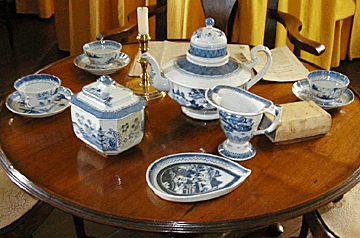 By the early 1800s, the custom of entertaining friends at afternoon tea
had evolved into an elegant occasion with tea, hot dishes, and elaborate
sweets served by butlers and maids. The ladies no longer came in
everyday wear but dressed in long “tea gowns” and drank tea from
delicate porcelain cups.
By the early 1800s, the custom of entertaining friends at afternoon tea
had evolved into an elegant occasion with tea, hot dishes, and elaborate
sweets served by butlers and maids. The ladies no longer came in
everyday wear but dressed in long “tea gowns” and drank tea from
delicate porcelain cups.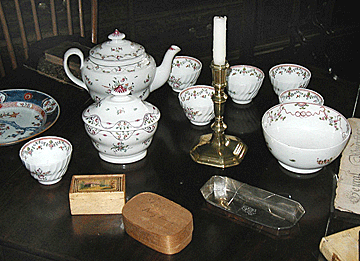 Because the tea itself was so expensive, the servants weren’t allowed to
handle it and the lady of the house kept it in blue and white Chinese
jars locked in a closet alongside the tea bowls and pots. When she
wanted to serve tea to her friends, a servant would arrange the
furniture, set all the tea brewing equipment on a small table and bring
in a kettle of boiling water. Then the lady warmed the teapot, measured
the correct amount from her tea jar into the pot and poured on the
boiling water. When the tea had brewed, she poured it into the little
translucent, handleless, Chinese tea bowls and served them to her
guests.
Because the tea itself was so expensive, the servants weren’t allowed to
handle it and the lady of the house kept it in blue and white Chinese
jars locked in a closet alongside the tea bowls and pots. When she
wanted to serve tea to her friends, a servant would arrange the
furniture, set all the tea brewing equipment on a small table and bring
in a kettle of boiling water. Then the lady warmed the teapot, measured
the correct amount from her tea jar into the pot and poured on the
boiling water. When the tea had brewed, she poured it into the little
translucent, handleless, Chinese tea bowls and served them to her
guests. 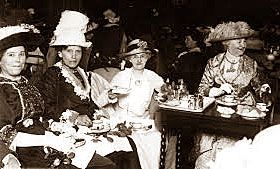 Taking tea was always associated with elegant rooms set well away from
the kitchen, with fine porcelain tea wares, silver spoons, sugar
nippers, and kettles, with beautiful tables carved by craftsmen.
Taking tea was always associated with elegant rooms set well away from
the kitchen, with fine porcelain tea wares, silver spoons, sugar
nippers, and kettles, with beautiful tables carved by craftsmen.